Percutaneous Valve Therapies

PERCUTANEOUS VALVE THERAPIES

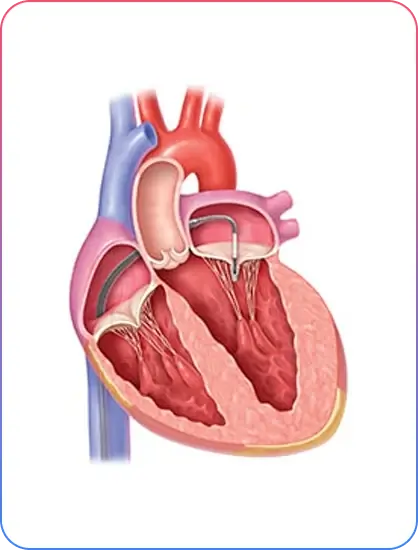
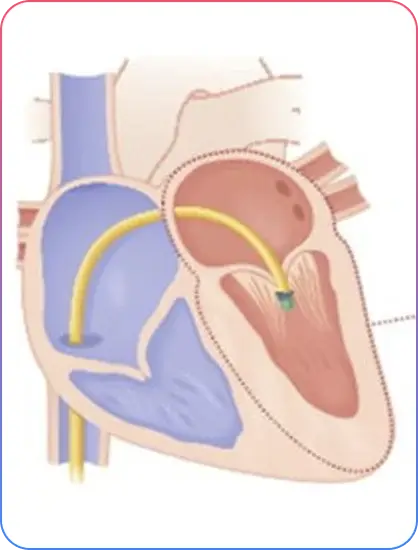
Percutaneous treatments are available for treating patients with aortic or mitral valve disease. It is a minimally invasive procedure repair or replace the disease heart valve without removing the damaged one. The new valve is delivered to the beating heart through the catheter that is inserted under the skin in to the blood vessel (known as percutaneous or endovascular access) and guided through to the heart. These procedures are usefull for treating patients with who cannot undergo surgery, who have had surgery that failed and treatments include TAVI, MitralClip and Balloon valvuloplasty.
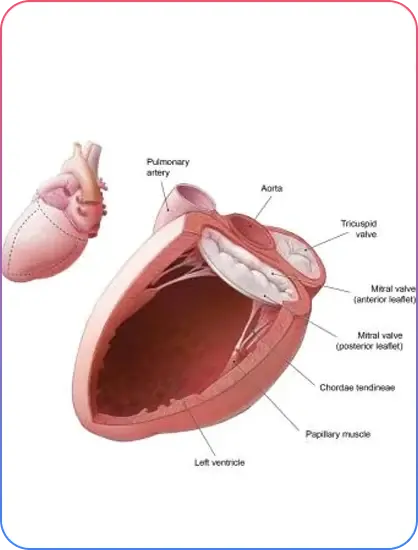
  • Tricuspid valves – Located between the right atrium and the right ventricle.
  • Pulmonary valves – Located between the right ventricle and the pulmonary artery.
  • Mitral valve – Located between the left atrium and the left ventricle.
  • Aortic valve – Located between the left ventricle and the aorta.

  • Aortic Valve Disease
  • To determine – Bypass Surgery or Angioplasty
  • Aortic Valve Regurgitation
  • Endocarditis
  • Heart Valve Disease
  • Mitral Valve Disease
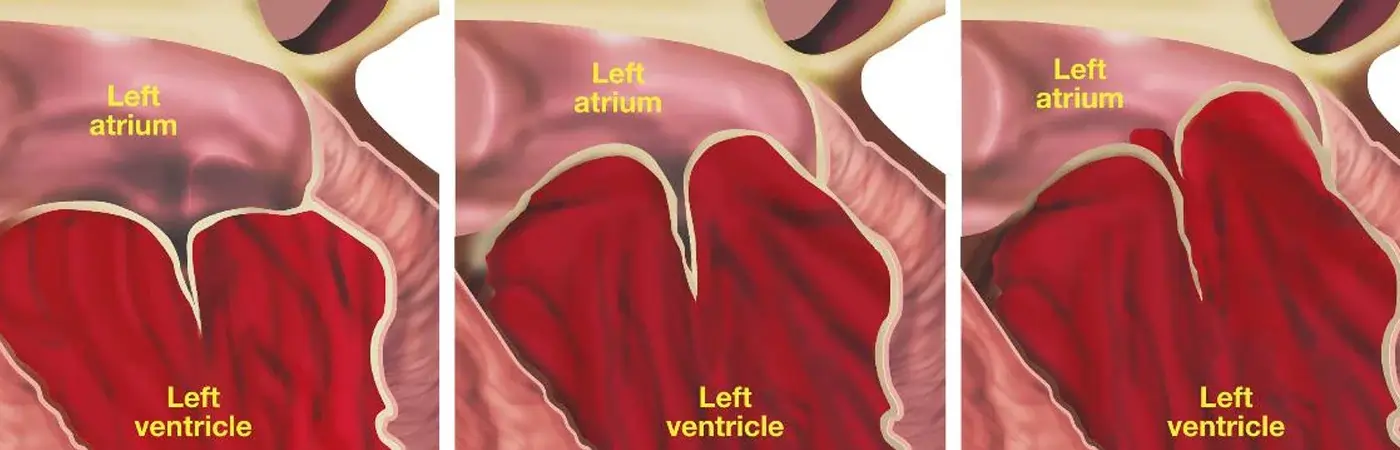
  • Mitral Valve Prolapse
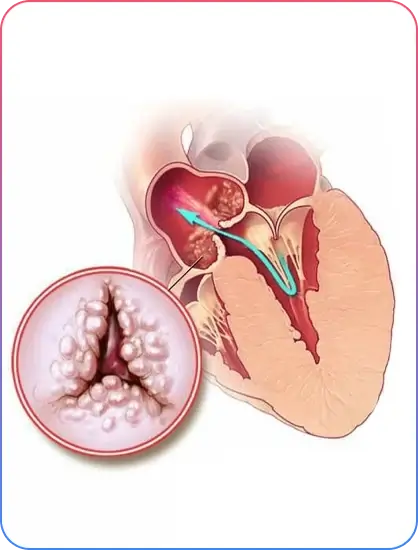
  • Mitral Valve Regurgitation
  • Mitral Valve Stenosis
  • Tricuspid Valve Disease
  • Tricuspid Valve Regurgitation
  • Tricuspid Valve Stenosis
Heart Valve Types Treatment and Conditions
Aorto-Ostial Lesions

Transcatheter Aortic Valve Replacement

  • When a damaged aortic valve cannot be repaired or replaced surgically, an artificial valve made of animal tissue and metal mesh can be implanted via catheter.

Mitralclip

  • A mitral valve that leaks because it does not close properly (regurgitation), a small, clothespin-like clip implanted via catheter can help the valve to seal more tightly.
Pre Procedural Imaging
Aorto-Ostial Lesions

Ballon Valvuloplasty

  • If a heart valve is narrow or stiffened, a balloon on the end of the catheter can be inflated to push the valve open and allow more blood through.