Percutaneous Valve Therapies

Percutaneous Balloon Mitral Valvuloplasty

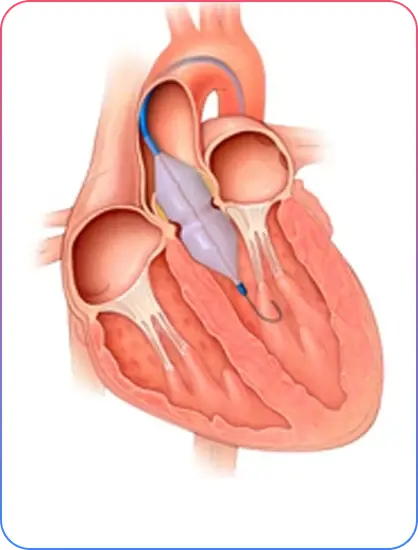
Percutaneous Balloon Mitral Valvuloplasty (PBMV) procedure is a used to dilate the mitral valve in the setting of rheumatic mitral valve stenosis.

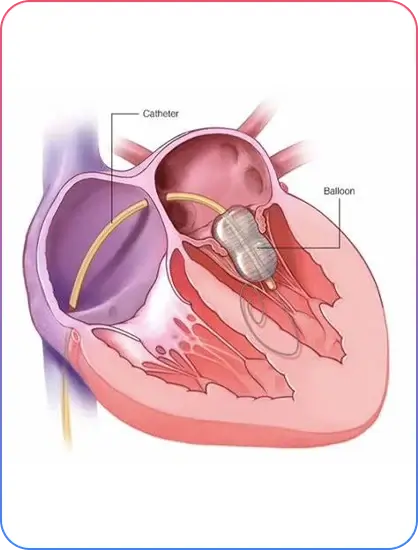
  • Catheter inserted into femoral vein
  • Advanced to the right atrium
  • Across the interatrial septum
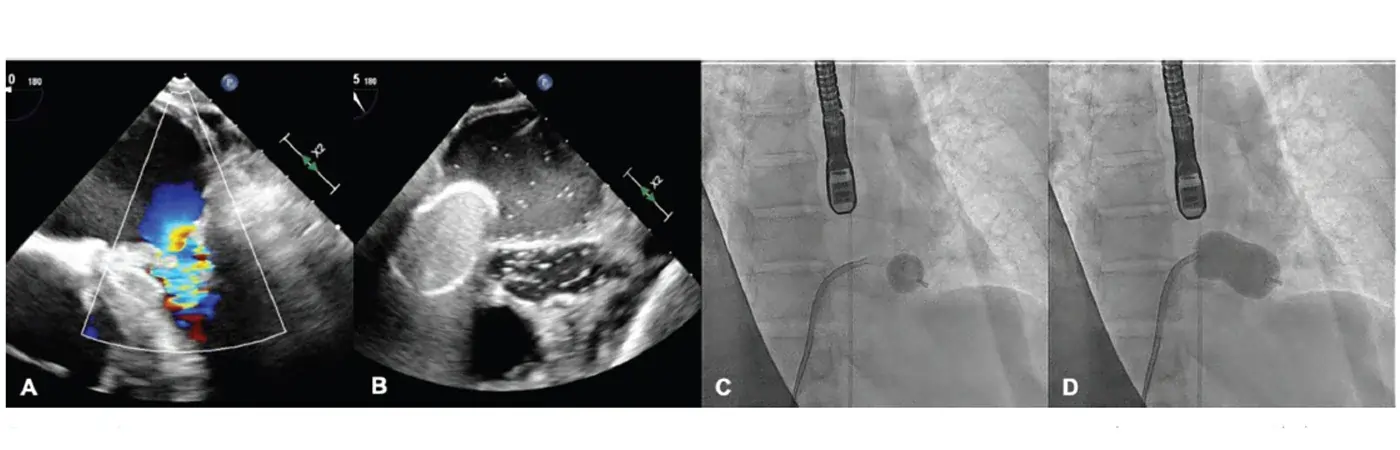
  • Mitral valve is crossed with a balloon
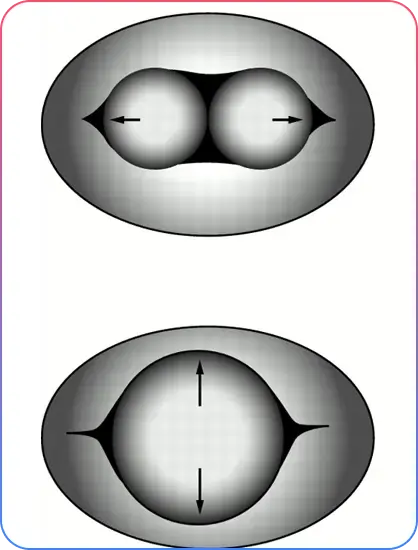
  • Inflated to relieve the fusion of the mitral valve
  • Increases the mitral valve area
  • Reduces the degree of mitral stenosis

  • Immediate: After PBMV, mitral valve area approximately doubles in most successful cases.
  • Long-Term:
    • Significant functional improvement
    • Event-free survival for a longer period of time

  • Postsurgical or Balloon Commissurotomy
  • Pregnant patients
  • Children & Adolescents
  • Atrial fibrillation / Thrombotic formation
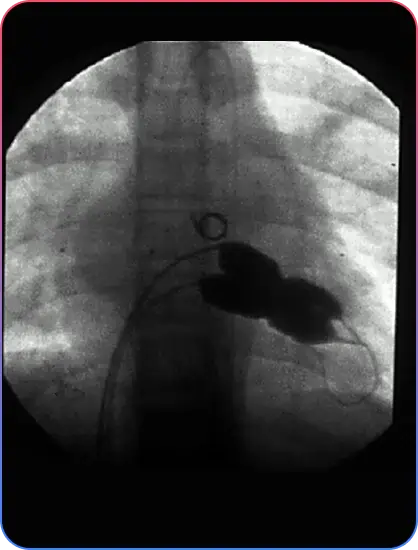
PBMV Procedure Results and Special Care Population
Aorto-Ostial Lesions

Contraindication

  • Moderate or severe regurgitation is present.

Complications

  • Bleeding at the catheter insertion site
  • Blood clot to blood vessel at insertion site
  • Infection risk
  • Stroke
Pre Procedural Imaging
Aorto-Ostial Lesions

Indications

  • Moderate & severe mitral stenosis
  • Favorable valve morphology
  • Symptomatic
  • Pulmonary hypertension
  • New onset of atrial fibrillation