Chronic Total Occlusions

Ostial lesions

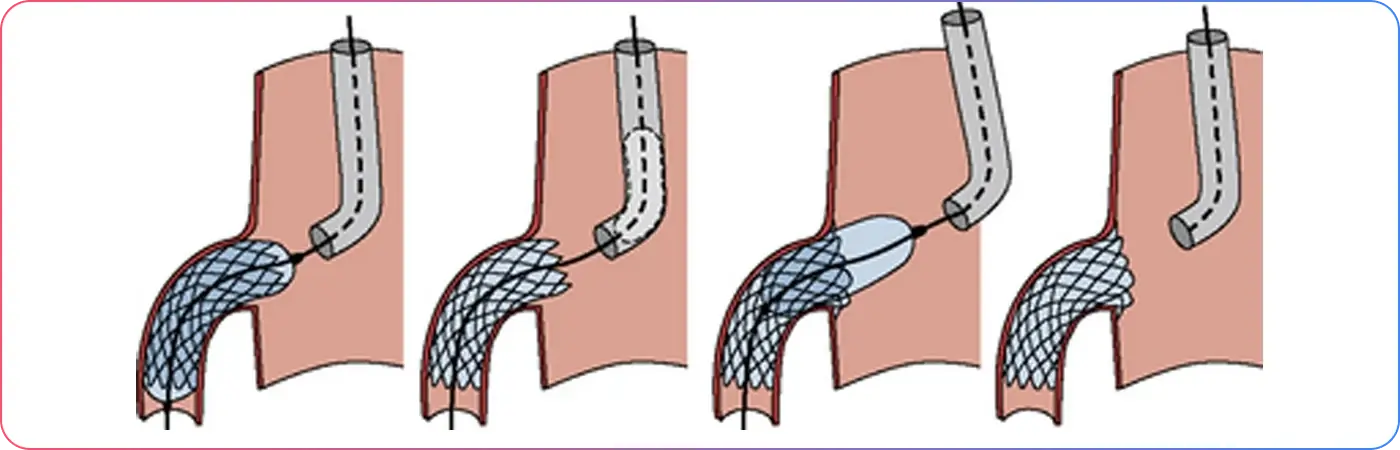
Ostial Lesions are described as coronary ostial stenosis, is the occlusion of coronary ostium located within the first 3 mm from the beginning of the coronary artery.

  • Atherosclerosis
  • Syphilis
  • Kawasaki disease
  • Takayasu’s arteritis

  • Angiography

  • Aorto-ostial lesions
  • Non aorto-ostial lesions
  • Branch ostial lesions include the ostium of:
    • Right coronary artery (RCA)
    • Left main coronary artery (LMCA)
    • A saphenous venous graft
Ostial Lesions Causes Diagnosis and Types
Aorto-Ostial Lesions

Aorto-Ostial Lesions

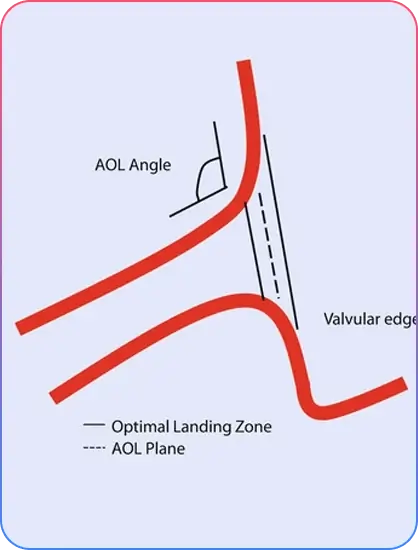
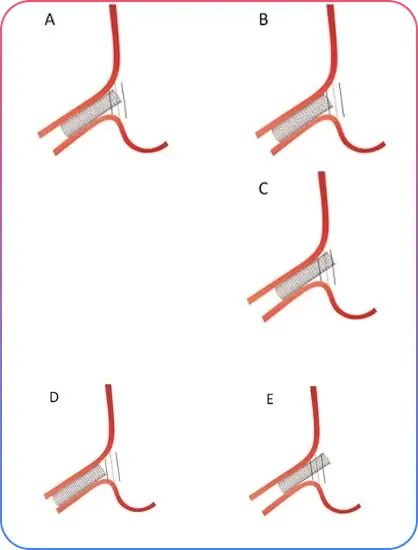
  • Aorto-ostial coronary lesions (AOL) are defined as stenosis within 3 mm of the right coronary artery (RCA) or left main coronary artery (LMCA).
  • Aorto-ostial lesions commonly have a unique three-dimensional funnel-shaped morphology with a variable angle of takeoff of the coronary artery from the aorta.
  • The majority of AOL cases are associated with diffuse coronary artery disease, while isolated AOL occurs predominantly in females.
  • Aorto-ostial lesions have been examined postmortem in victims of acute myocardial infarction (AMI), sudden death without pathological evidence of AMI, and violent death.

Pre-Procedural Imaging

  • CCTA
  • IVUS
  • Integrated IVUS on stent delivery system
  • Fusion of IVUS and CCTA with angiographic imaging
  • Devices for imaging the aorto-ostial plane
Pre Procedural Imaging
Aorto-Ostial Lesions

Diagnosis and treatment

  • Aorto-ostial coronary lesions (AOL) are defined as stenosis within 3 mm of the right coronary artery (RCA) or left main coronary artery (LMCA).
  • Aorto-ostial lesions commonly have a unique three-dimensional funnel-shaped morphology with a variable angle of takeoff of the coronary artery from the aorta.
  • The majority of AOL cases are associated with diffuse coronary artery disease, while isolated AOL occurs predominantly in females.
  • Aorto-ostial lesions have been examined postmortem in victims of acute myocardial infarction (AMI), sudden death without pathological evidence of AMI, and violent death.