Failed Angioplasty Treatment

Failed Angioplasty Treatment

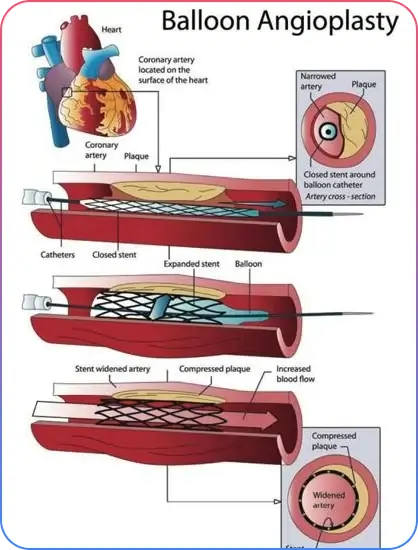
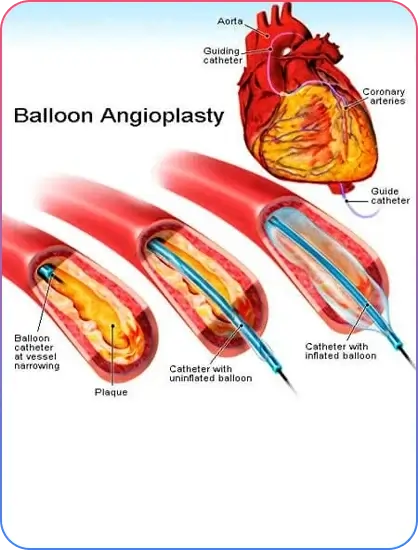
The angioplasty procedure may fail if there is not sufficient disruption of the elastic fibers in the medial layer. Repeat angioplasty as treatment for restenosis is an effective approach associated with a high success rate, low incidence of procedural complications, and sustained functional improvement in combination with an acceptable rate of bypass surgery. Patients cannot have more than 5 to 6 stents.

Symptoms:

  • Chest pain
  • Fatigue
  • Sortness of breath

Diagnostic test: Stress test can help the doctor if a blockage as returned or if there is a new blockage

  • Your symptoms such as chest pain, shortness of breath, or fatigue come back or get worse.
  • You find it harder to exercise or climb stairs.
  • Your doctor wants to check blockages that were not severe enough to treat when your stent was inserted.
  • You usually do not need yearly stress tests.
  • You have had multiple heart procedures in the past, such as stents after bypass surgery.

  • Failure of PTCA may result from inability to cross lesions with a guide wire.
  • Failure may also occur due to balloon catheter limitations.
  • Rigid lesions may not fully dilate during the procedure.
  • Laser Balloon Angioplasty (LBA), first described by Spears, is a technique shown experimentally to help reduce arterial recoil and treat arterial dissections, mechanical perforations, and thrombus formation.
  • Clinical trials of LBA for both successful and failed PTCA procedures are ongoing.
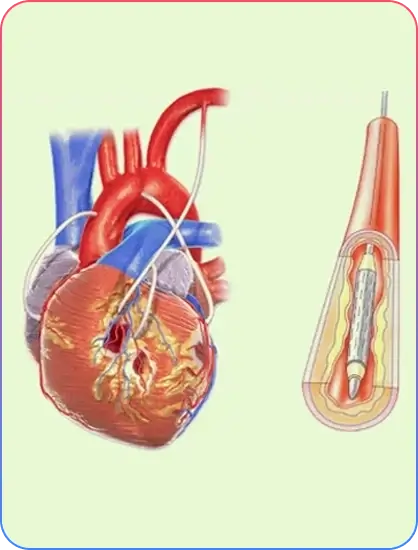
Stress Test and PTCA Information

Methods


Aorto-Ostial Lesions

Laser Balloon Angioplasty Catheter

LBA catheters have been designed to effect a radial dispersion of laser energy to the arterial wall during the final inflation of otherwise conventional PTCA.

LBA Technique and Protocol

  • During the course of LBA treatment for these studies, the guiding catheter was flushed with warmed physiologic saline while the balloon was inflated.
  • The laser was then activated for a duration of 20 seconds followed by a 20-30 second period to allow for tissue cooling prior to balloon deflation
  • Laser energy doses ranging from 240 to 450 joules were delivered in a ramped decremental fashion shown experimentally to result in increased strength of thermal welds.
Pre Procedural Imaging

Treatment Options for in-stent Restenosis


Aorto-Ostial Lesions

Re-Stenting

If an interventional procedure is needed, the approach will vary depending on if the original stent were fully expanded, how many stents are overlapped, and the length of the re-blockage.

Non Surgical Options

  • An IVUS or OCT can help check to see if either of those problems exist.
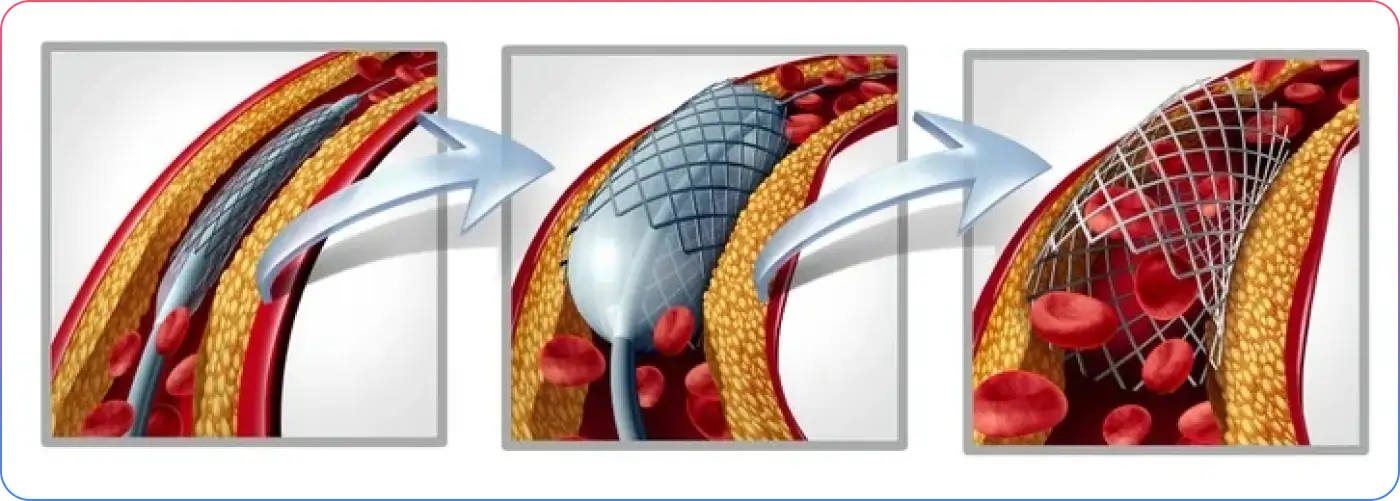
  • Sometimes the solution is simply re-expanding the stent. This can be done with a high pressure balloon.
  • If the stent was well-expanded and the problem is tissue regrowth inside the stent, the best treatment option is often placement of another drug-eluting stent (DES).
  • If 2-3 stents are already in place, we usually recommend brachytherapy or occasionally drug-eluting balloon use. Shorter blockages tends to respond better to all of these approaches
Pre Procedural Imaging

Supplementary Medications

  • Sirolimus can help reduce the amount of restenosis tissue that builds up.
  • The medication is sometimes prescribed for patients who have had restenosis more than twice in the same area.

Medical Management

Surgery

  • Coronary artery bypass graft surgery uses blood vessels from other parts of the body.
  • The grafts come from the patient’s own arteries and veins in the chest, leg or arm.
  • Bypass surgery is a good treatment option for patients (especially patients with diabetes) who have coronary restenosis.

Long term antiplatelet therapy

  • Patients who have bare metal stents need to take antiplatelet medication for at least 4 weeks after the procedure.
  • Patients who have a drug-eluting stent need to take antiplatelet medication for at least a year after the procedure, and longer for high risk patients.
Pre Procedural Imaging

Life Style Changes

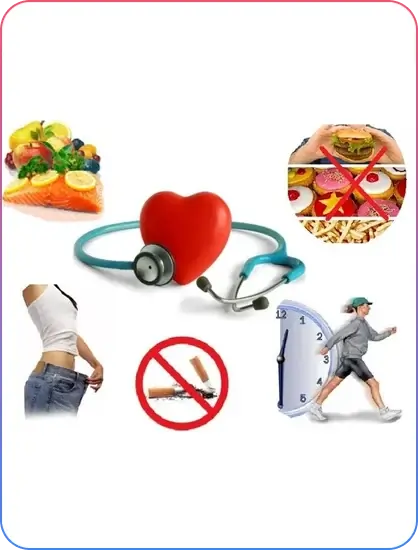
  • Follow a heart healthy diet
  • Control diabetes
  • Reach and maintain a healthy weight
  • Take all medications as prescribed
  • Quit smoking
  • Exercise regularly
  • Follow-up appointments