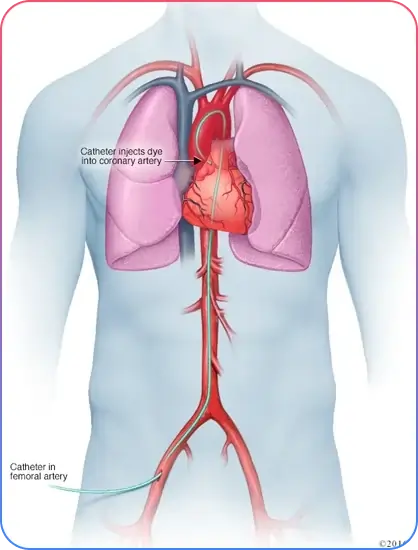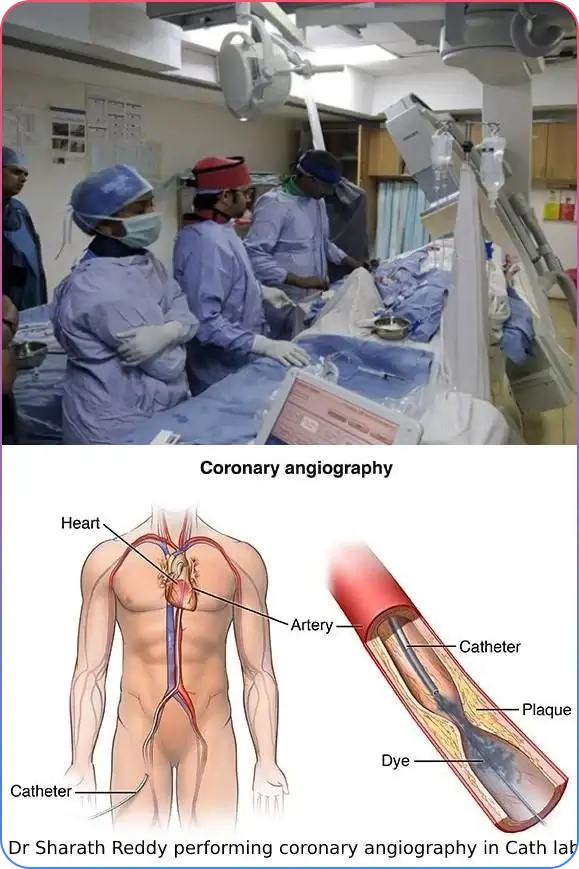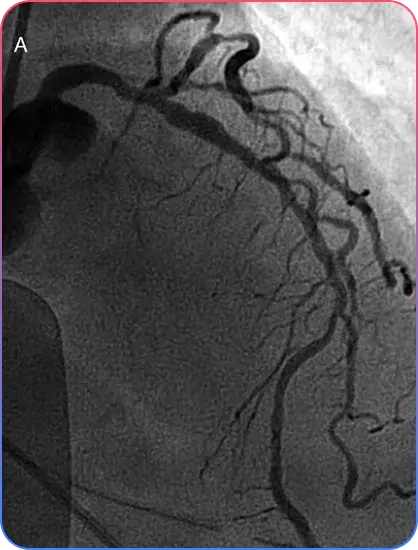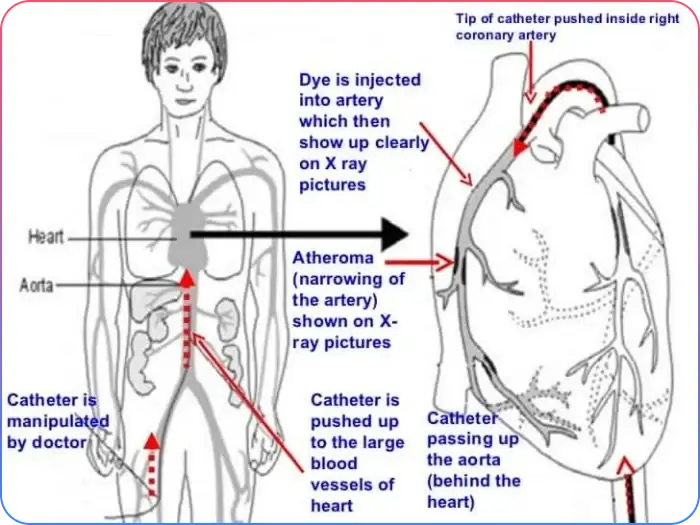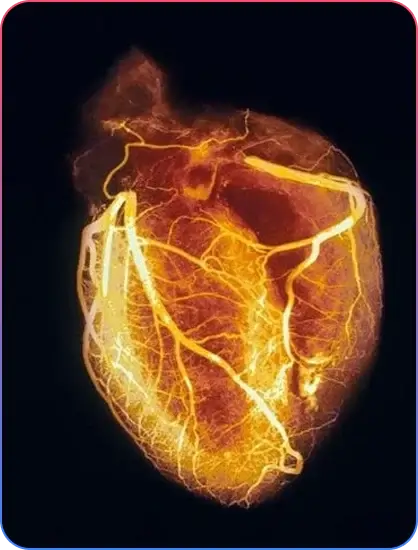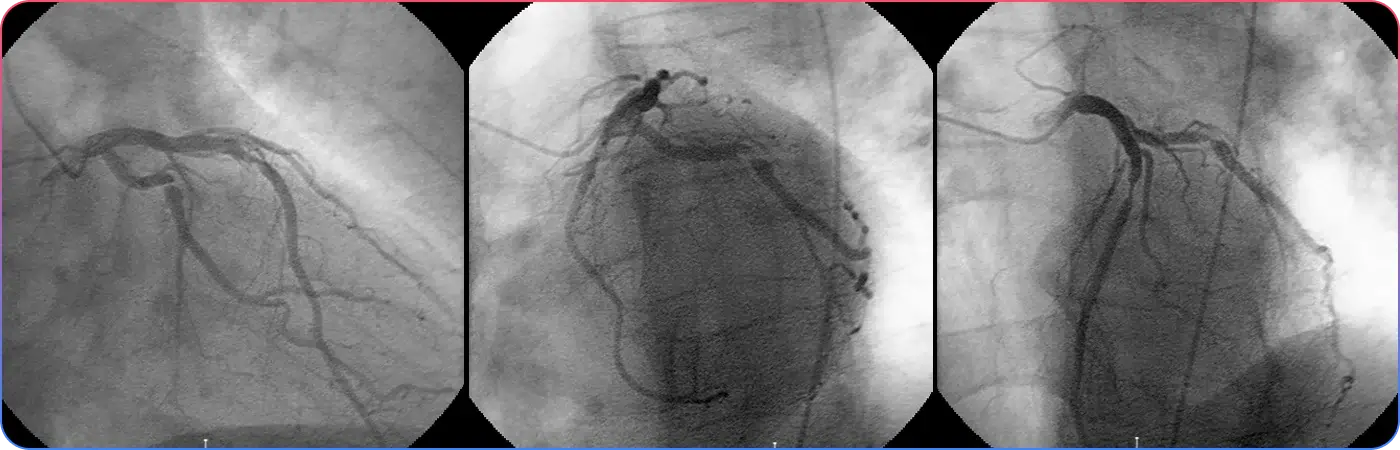
- Coronary angiography is an imaging test that uses X-rays to view your heart blood vessels.
- The X-rays provided by an angiography are called angiograms.
- Coronary angiogram can help doctors detect blood vessel abnormalities, including weakened blood vessels, plaque deposits, and blood clots in the heart.
- This shows the extent and severity of heart disease and helps determine how well your heart is working.
- Coronary angiograms are part of a general group of procedures known as cardiac catheterizations.
- Cardiac catheterization procedures can both diagnose and treat heart and blood vessel conditions.
- Chest pain related to heart (angina).
- Pain in your jaw, neck, or arm that cannot be explained by other tests.
- New or increasing chest pain (unstable angina).
- Congenital heart disease (childhood heart disease).
- Abnormal results in a non-invasive heart stress test (TMT).
- A heart valve problem that requires surgery.
- Other blood vessel problems or a chest injury.
- Electrocardiogram (ECG).
- 2D-Echocardiogram (2D-Echo).
- Stress test (TMT).
- Chest X-ray.
- Aneurysm (abnormal expansion of the blood vessel wall).
- Heart arrhythmias (irregular heartbeat).
- Birth defects in the heart.
- Blocks in the blood vessels.
- Defects in heart valves.
- Past medical history.
- Past medication history.
- Allergic history to any drugs.
- Current medication history.