Interventional Therapies

Percutaneous Coronary Interventions

Percutaneous coronary intervention (PCI) also known as coronary angioplasty, is a nonsurgical technique for treating obstructive coronary artery disease, including unstable angina, acute myocardial infarction (MI), and multivessel coronary artery disease (CAD) procedure that improves blood flow to your heart.

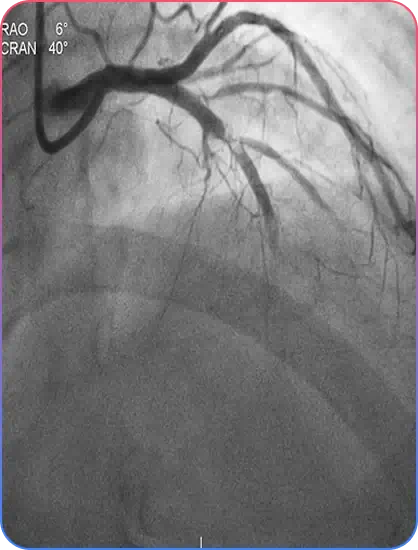
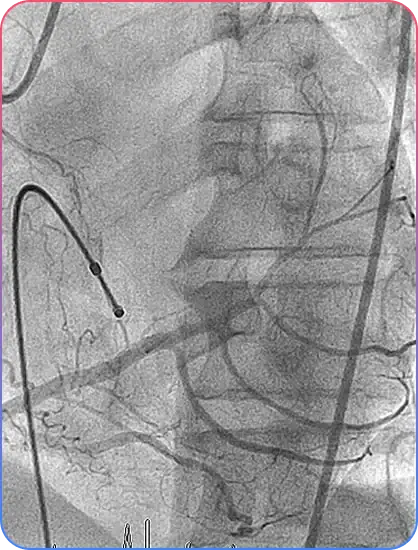
PCI requires cardiac catheterization, which is the insertion of a catheter tube and injection of contrast dye, usually iodine-based, into your coronary arteries.

The treatment is minimally invasive and relies on thin tubes called catheters. Doctors enter the body through an artery in the wrist or leg, and then thread catheters toward the heart.

They use contrast dye and X-rays to guide their work. This imaging procedure is called an angiogram and is a type of cardiac catheterization.

  • Cigarette Smoking
  • Hypertension
  • Hyperlipidemia
  • Diabetes

  • Acute ST-elevation myocardial infarction (STEMI)
  • Non–ST-elevation acute coronary syndrome (NSTE-ACS)
  • Unstable angina
  • Stable angina
  • Anginal equivalent (eg, dyspnea, arrhythmia, dizziness, or syncope)
  • High risk stress test findings

Obstructive Coronary Artery Disease

Arteries narrowed or blocked by fat and cholesterol deposits (atherosclerotic plaque)

Spontaneous Coronary Artery Dissection (SCAD)

Inner layers of an artery split and narrow the lumen where blood flows
PCI

Types of Percutaneous Coronary Interventions

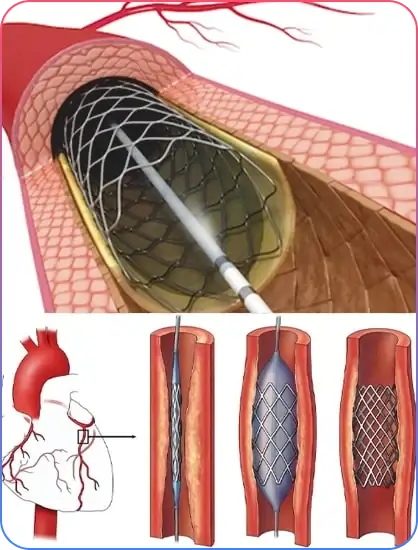
Balloon angioplasty is a minimally invasive procedure used to widen narrowed or blocked coronary arteries. A catheter with a small balloon at its tip is inserted into the artery and inflated to restore proper blood flow to the heart.

Laser angioplasty uses a catheter equipped with a laser to vaporize plaque and arterial blockages. This advanced technique provides an additional treatment option for selected patients with coronary artery disease.

Rotational atherectomy involves the use of a specialized catheter-based device to drill through hard calcium deposits in the arteries. It is especially useful for treating severely calcified blockages.

Chronic Total Occlusions are coronary arteries that have been completely blocked for a long period. Modern techniques now allow treatment of even complex blockages.

Impella-supported PCI uses a temporary heart pump device to support blood circulation during high-risk coronary procedures.

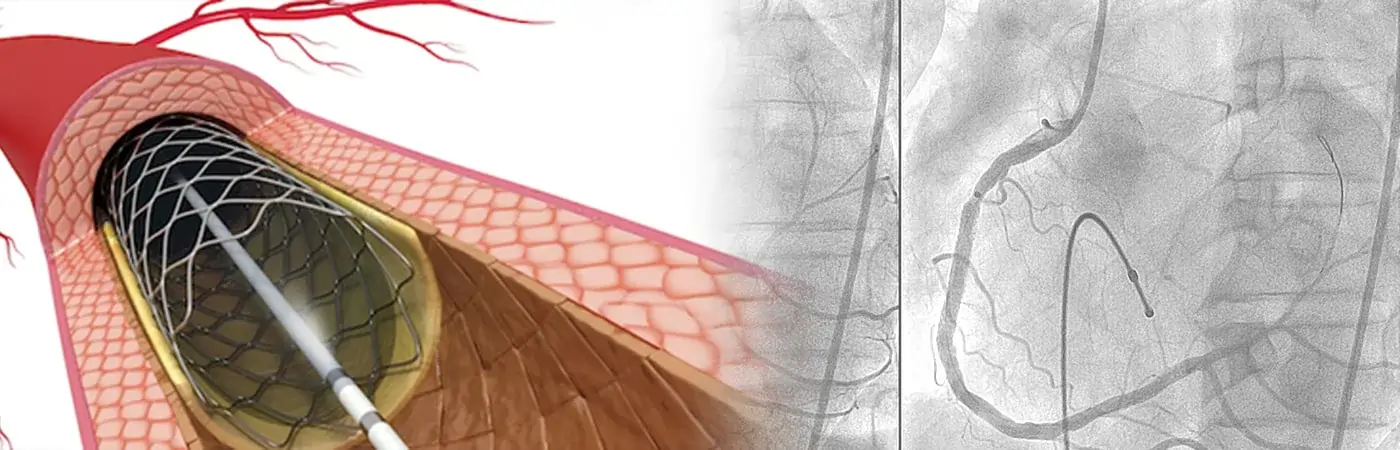
In angioplasty with stent placement, a tiny mesh tube is inserted to keep the artery open and improve blood flow. Modern stents often include drug coatings to reduce repeat blockages.

Before PCI Procedure

Before the Procedure

Shortly before your procedure, you may receive a sedative to help you relax. Most patients remain awake but comfortable during PCI.

  • Your hair may be clipped near the catheter insertion site, usually the groin or wrist.
  • An intravenous (IV) line will be placed to provide medications quickly if needed.
  • Electrodes will be attached to monitor your heart activity.
  • A pulse oximeter may be placed on your finger or ear to monitor oxygen levels.
During PCI Procedure

During the Procedure

A PCI procedure may take between one and three hours depending on the complexity of the blockage being treated.

  • You will lie on a procedure table while a local anesthetic numbs the catheter insertion area.
  • The catheter is carefully guided to the heart through a blood vessel.
  • A contrast dye is injected so doctors can clearly view the narrowed artery on X-ray imaging.
  • The most suitable PCI technique is then performed to restore blood flow.
  • After the procedure, the catheter is removed and pressure is applied to stop bleeding.
After PCI Procedure

After the Procedure

After PCI, you will be moved to a recovery area for observation and monitoring.

  • You may need to stay in bed for two to six hours depending on your condition.
  • Mild chest discomfort or soreness at the insertion site is common.
  • You will be encouraged to drink fluids to help flush the contrast dye from your body.
  • Some patients go home the same day, while others stay overnight for monitoring.
  • You should avoid driving or operating vehicles for at least 24 hours after the procedure.

At Home

Contact your doctor for advice if you experience any of the following symptoms:

  • Increased pain
  • Redness
  • Swelling
  • Bleeding or discharge from the insertion site
  • Fever or chills

You may shower 24 to 48 hours after the procedure.

For five days, avoid activities that involve lifting and pulling with the wrist.

During this time, there should be no strenuous exercise, playing sports such as golf, household chores such as vacuuming, or demanding physical tasks such as moving furniture.

A week after your procedure, you can resume activities of moderate intensity. Moderate physical activity such as walking, swimming, or using a stationary bike at least five days a week is recommended to strengthen your heart.

Success Rate

Angioplasty is successful in opening coronary arteries in well over 90% of patients.

Up to 30% to 40% of patients with successful coronary angioplasty will develop recurrent narrowing at the site of balloon inflation.